


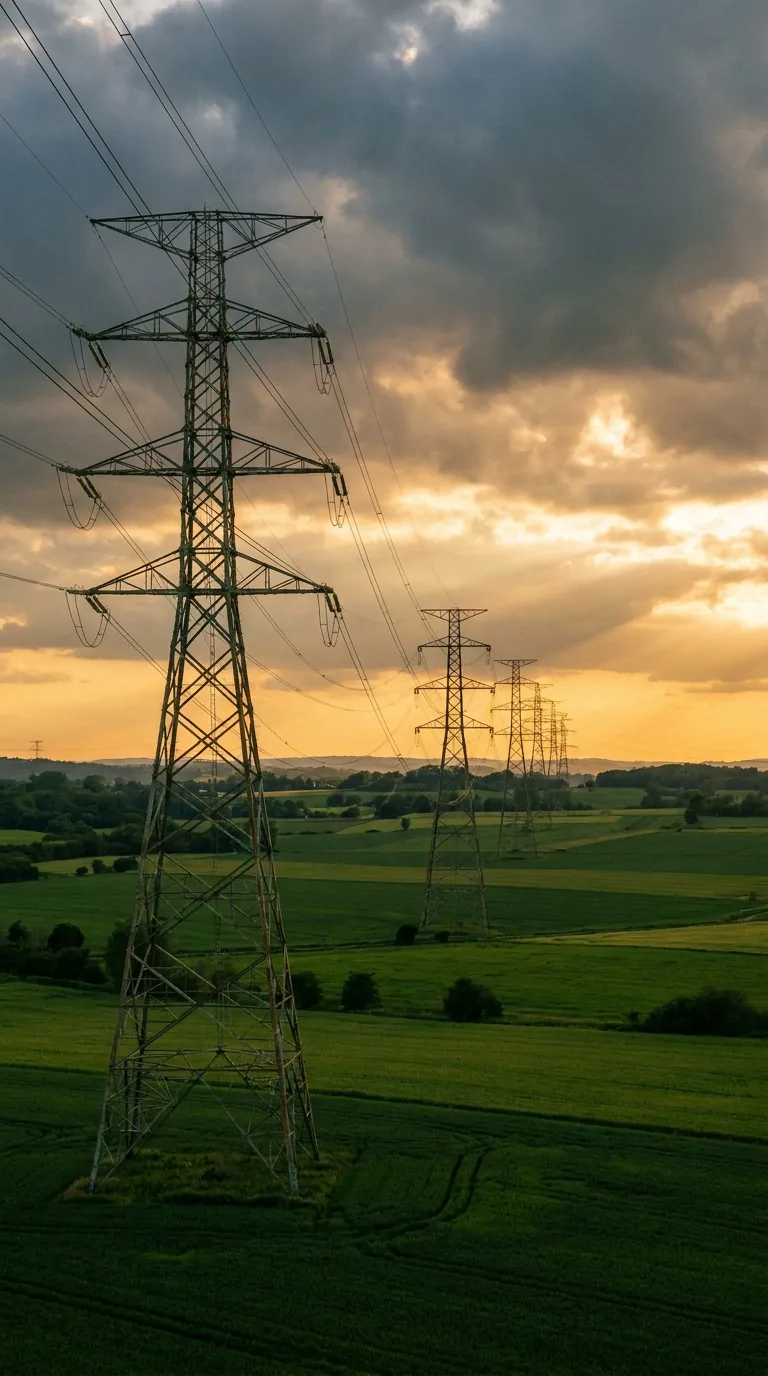
For a renewable energy project, few things are worth as much as a long-term contract securing to whom and at what price it will sell its energy. Resolution 40178 of 2026 from the Ministry of Mines and Energy lays the foundations of a new long-term auction mechanism in Colombia, and in doing so redefines what it means for a project to be financeable. This is a read, from an investment banking perspective, of what is at stake.
What Resolution 40178 of 2026 is
With Resolution 40178 of 2026, the Ministry of Mines and Energy established the general rules for long-term clean energy auctions within the framework of the energy transition. In essence, it defines a contracting mechanism that allows transparent negotiations between generators and retailers, with the aim of strengthening the country's energy security and attracting investment that helps stabilise electricity tariffs.
Its central features:
- Long-term contracts, of up to 15 years, specifying the quantity of energy, the price, the term, the start of supply and the corresponding financial guarantees.
- Broadened scope: the auction considers renewable generation projects, storage systems with batteries and different hourly products, to reinforce the reliability of the National Interconnected System.
- Execution through the Bolsa Mercantil de Colombia, as the logistics operator responsible for the technical execution of the auctions.
- Allocation by optimisation algorithm that combines sale and purchase bids to maximise the benefit to users with greater cost efficiency.
- Flexible convening: the Government may convene the mechanism when the market requires it, when there is a risk of supply shortfall or when it is necessary to advance energy policy objectives.
Key ideaA long-term auction is not a regulatory formality: it is a factory of bankable contracts. And a bankable contract is the raw material of project finance.
Why it matters: from market risk to a long-term contract
A generation project can sell its output in two ways. The first, exposed to the spot market price, which rises and falls with supply and demand; it is the riskier option and the one demanding the most equity, because no lender wants to finance an unpredictable cash flow. The second, securing a long-term contract at an agreed price, which turns uncertain revenue into stable revenue.
That is the underlying value of this resolution: a 15-year contract transforms a project's risk profile. With contracted, predictable revenue, the project supports more debt, on better terms, and becomes attractive to banks, infrastructure funds and multilateral lenders. In practice, winning a contract in a long-term auction is often what unlocks the financial close.
The new features that change the game
Beyond the mechanism itself, three elements of this resolution deserve special attention from a financial structuring standpoint:
Batteries within the auction
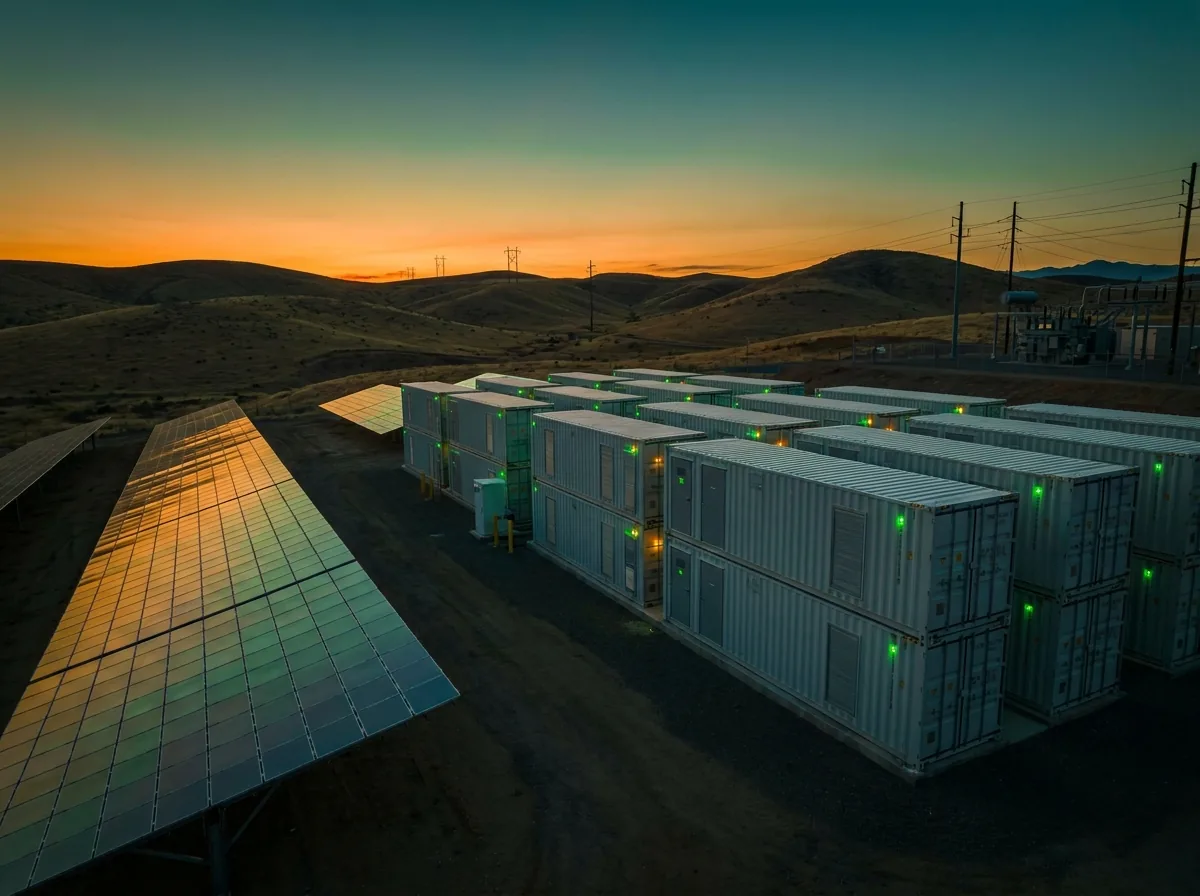
Incorporating storage systems (BESS) into the mechanism recognises that the transition is not only about generating clean energy, but about delivering it when the system needs it. This opens the door to structuring hybrid projects —solar plus batteries— with long-term contractual backing.
Hourly products
Differentiating energy by time bands recognises that a kilowatt at peak demand is not worth the same as one in off-peak hours. For the structurer, this changes how revenue is modelled and how the project is designed to capture the greatest value.
Financial guarantees
The requirement to post guarantees gives the mechanism credibility and filters out those who are not prepared. For the sponsor, it means that reaching the auction requires having its house in order: structure, backing and the capacity to deliver.
Those who arrive at an auction with the model, the guarantees and the financial close prepared compete. Those who improvise watch from the stands.
What it signals for investors and sponsors
The policy signal is clear: the State wants to attract long-term investment in clean energy and, in the process, stabilise tariffs for users. For the investor, a long-term auction framework reduces regulatory uncertainty and offers a concrete route to contracting revenue. For the developer, it is the opportunity to turn a project in the pipeline into a financeable asset.
But the opportunity comes with fine print. The price is set in a competitive process: winning at too aggressive a price can compromise profitability; not winning leaves the project without the contract that made it bankable. Getting the bidding strategy right is as important as having a good project.
How to prepare to participate
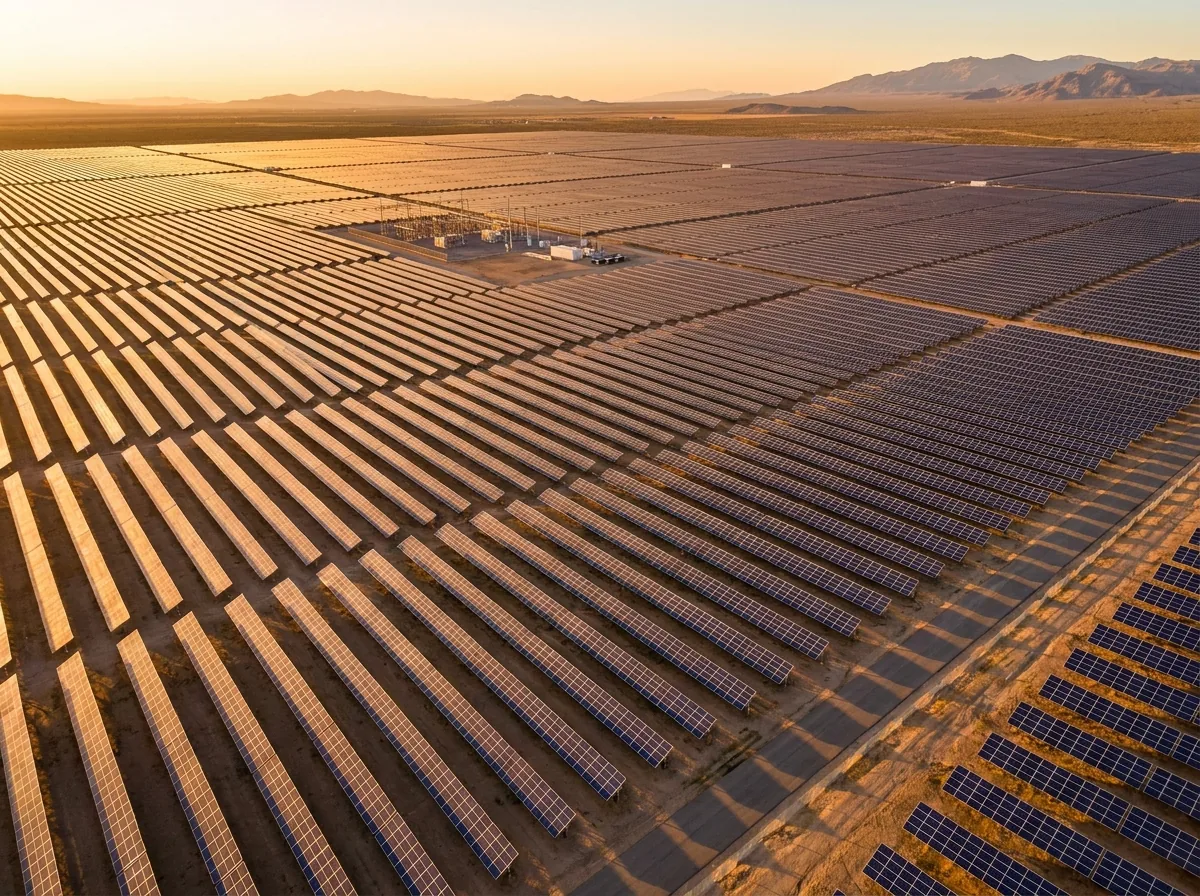
Arriving ready for a long-term auction requires preparatory work that goes far beyond registering:
- A robust financial model that makes it possible to calculate the minimum price at which the project remains profitable and financeable.
- A defined capital structure: how much debt, how much equity and with which potential lenders.
- Financial guarantees resolved, without which it is impossible to compete.
- A bidding strategy that balances the probability of winning with the target return.
- A mature project in permits, grid connection and land, so as to be able to meet the committed supply schedule.
The link to financial close
It is worth insisting on the point that ties everything together: the contract won in the auction is, in most cases, the document that underpins the project's financing. It is the regulated equivalent of a power purchase agreement (PPA), and performs the same banking function: turning a project into a promise of predictable cash flow that a lender can finance. That is why the auction strategy and the financial close strategy must be thought through together, not separately.
How Selva helps
At Selva Investment Banking we help developers and sponsors turn a project into a financeable transaction: we model the breakeven price, define the capital structure, connect the project with the right financiers and align the auction strategy with the financial close strategy. Resolution 40178 opens a window; taking advantage of it requires arriving prepared, with technical and financial judgment equal to the mechanism.

An evolution of the previous auctions
Colombia is not starting from scratch. The country has already run long-term renewable energy contracting auctions in recent years, which were decisive in catalysing the first wave of large solar and wind projects and in proving that the mechanism worked. Resolution 40178 of 2026 draws on that experience and refines it: it broadens the scope to include storage and hourly products, gives more flexibility to the convening process and sharpens the allocation rules. In other words, it is not an experiment, but the maturing of an instrument that has already proved its ability to attract investment and lower costs.
The role of the Bolsa Mercantil and the optimisation algorithm
That technical execution rests with the Bolsa Mercantil de Colombia, as a neutral logistics operator, is not an administrative detail: it brings transparency and confidence to the process. The optimisation algorithm that combines purchase and sale bids performs an important economic function: discovering the most efficient price and allocating contracts in a way that maximises the benefit to users. For the participant, this means the outcome does not depend on opaque negotiations, but on the quality and competitiveness of their bid. And that, in turn, rewards whoever arrives with the best-prepared project and financial model.
What comes after winning the auction
Winning is the beginning, not the end. Once the contract is awarded, the project must meet a supply schedule, reach its financial close, be built and enter operation within the committed timeframes. The financial guarantees back that commitment, and failure to comply has consequences. That is why the auction strategy and the execution strategy must be thought of as a whole: there is no point winning a contract that cannot subsequently be honoured. The project must be mature —permits, grid connection, land, financing on track— before committing to deliver energy on a given date.
Common mistakes when participating
The most common missteps are avoidable: bidding at a price so aggressive that it compromises profitability or bankability; arriving with an immature project that cannot meet the schedule; underestimating the financial guarantees required; or building the financial model without stressing the assumptions. Each of these mistakes can turn an opportunity into a problem. Rigorous preparation —and the support of someone who knows the mechanism— is what separates those who take advantage of the auction from those who get burned by it.
The effect on tariffs and the end user
Behind the financial logic there is a public policy objective worth keeping in view: stabilising electricity tariffs. By contracting clean energy at agreed prices for up to 15 years, the system reduces its exposure to spot market volatility and to fuel price shocks. That predictability, in theory, translates into more stable tariffs for households and businesses. For the investor, this reinforces the appeal of the mechanism: it is not a short-term subsidy, but a structural bet on long-term contracts that benefit both ends —the generator, who secures revenue; and the user, who gains stability. Understanding that the auction serves that dual purpose helps to read policy signals correctly and to anticipate how and when the next processes will be convened.
In summary
Resolution 40178 of 2026 is much more than a technical rule: it is a factory of long-term contracts that can turn pipeline projects into financeable assets. By incorporating batteries and hourly products, it recognises that the energy transition is about delivering reliable energy, not merely generating it. For the developer and the investor, it opens a concrete route to contracting revenue and unlocking financial close; but taking advantage of it requires arriving prepared, with the model, the capital structure, the guarantees and a bidding strategy equal to the mechanism. The auction rewards those who arrive ready. Thinking of the auction strategy and the financing strategy as a single plan is, today, one of the most profitable decisions available to anyone seeking to build clean energy in Colombia.
Frequently asked questions
What does Resolution 40178 of 2026 establish?
It defines the general rules for long-term clean energy auctions in Colombia: a contracting mechanism between generators and retailers, with contracts of up to 15 years, covering renewable projects, battery storage and hourly products, executed through the Bolsa Mercantil de Colombia and allocated by means of an optimisation algorithm.
Why does a long-term contract make a project more financeable?
Because it turns uncertain revenue (selling at the spot price) into stable, predictable revenue (an agreed price for up to 15 years). That predictability allows the project to support more debt on better terms and is, very often, what unlocks financial close.
Can batteries participate in these auctions?
Yes. The resolution incorporates battery storage systems and hourly products, recognising that value lies not only in generating clean energy, but in delivering it when the system needs it. This makes it possible to structure hybrid projects (solar + batteries) with long-term contractual backing.
How are the contracts allocated?
Through an optimisation algorithm that combines sale and purchase bids to maximise the benefit to users with the greatest cost efficiency. Technical execution is handled by the Bolsa Mercantil de Colombia as logistics operator.
What is needed to participate successfully?
A robust financial model defining the breakeven price, a clear capital structure, financial guarantees resolved, a bidding strategy that balances probability of winning with profitability, and a project mature in permits, grid connection and land so as to meet the supply schedule.
Sources and references
- Ministry of Mines and Energy — Rules for clean energy auctions (Resolution 40178 of 2026)
- El Tiempo — New rules for the next renewable energy auctions
- La República — Rules for long-term clean energy auctions
- Review Energy — Contracts of up to 15 years in the clean energy auctions
This content is informative and general in nature; it does not constitute financial, legal, regulatory or investment advice. The interpretation of the regulation must be confirmed against its official texts and with specialist advice.