

A renewable energy project can have excellent solar resource, good land and an attractive power sale contract, and still fail to obtain financing. The difference between a good idea and a project that gets built almost always lies in how its financial close is structured. In this guide we explain, step by step, what it takes to move a project from concept to disbursement.
What financial close is and why it defines everything
Financial close (financial close) is the moment when all the agreements —debt, equity, security and contracts— are signed and the project has committed resources to be executed. It is the milestone that turns an initiative into something bankable: up to that point, a project is a hypothesis; afterwards, it is a contractual obligation that mobilises capital.
Under the project financemodel, the financing is structured on the project's own future cash flows and not on the promoter's balance sheet. The project vehicle (the company developing it) takes on the debt, and lenders look above all at the project's ability to generate sufficient and predictable cash. That is why what is signed at closing is not merely a loan: it is a whole scaffolding of contracts that allocates and mitigates risk between the parties.
Key ideaA lender does not finance the optimistic scenario. It finances the scenario that withstands the worst reasonable case.
The financial model: the heart of bankability
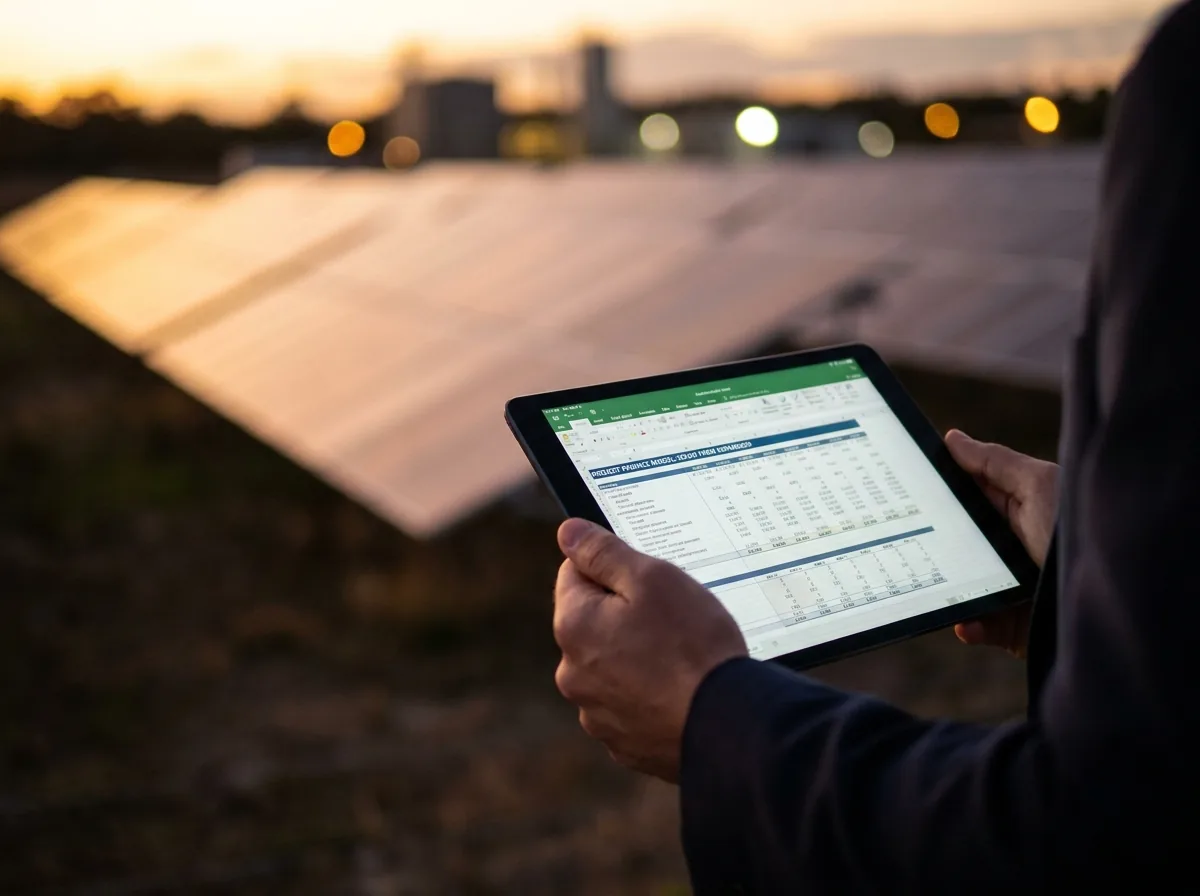
It all starts with a solid financial model. This is not an optimistic spreadsheet, but a rigorous representation of the project's cash flows, its sensitivities and its risks. Three elements define it:
Defensible assumptions
Energy production, prices, operating costs, inflation, interest rates and asset degradation. Every assumption must be capable of being substantiated with data: resource studies, market references and comparable experience. An unsupported assumption is the first crack a credit committee finds.
Sensitivities and scenarios
The model must answer honestly what happens if generation falls by 10%, if prices drop or if construction is delayed. Lenders analyse the project in its defensible version, not the ideal one.
Metrics that matter
- DSCR (debt service coverage ratio): how many times the project's cash flow covers the debt payment in each period.
- Project and equity IRR: the return for the project and for the investor.
- Leverage: the ratio between debt and equity.
- Repayment period: the time over which the debt is amortised.
A financial model is not built to impress; it is built to withstand questions.
The capital structure: debt and equity in balance
The central question in any project finance is how much of the project is financed with debt and how much with equity. An over-leveraged structure scares off banks; an over-conservative one destroys the promoter's return. The art lies in finding the point that makes the project viable without compromising its profitability.
In renewable energy projects it is common to see structures with a significant proportion of debt, precisely because the cash flows —when properly contracted— are stable and predictable. But that leverage is only possible if the quality of the contracts supports it.
- Defining the debt/equity ratio appropriate to the risk profile.
- Structuring collateral and contractual security without suffocating the promoter.
- Aligning debt tenors with the useful life and cash flows of the project.
- Providing for reserve accounts (debt service, maintenance) that give the lender comfort.
The contracts that underpin the financing
A project finance rests on a network of contracts that allocate risk. The main ones:
- Power purchase agreement (PPA): it establishes to whom and at what price the energy will be sold. It is often the document that decides whether the project is financeable.
- Construction contract (EPC): it transfers construction risk to a contractor with the financial strength to bear it, ideally on a fixed-price, fixed-term basis.
- Operation and maintenance contract (O&M): it ensures the asset is operated professionally throughout the life of the debt.
- Connection and supply contracts: access to the grid and to critical inputs.
The better these risks are allocated, the more comfortable the lender feels and the better the terms it offers.
Due diligence: four perspectives on the same project
Before committing resources, financiers subject the project to an exhaustive review on four fronts:
- Financial: consistency of the model, assumptions and projections.
- Technical: technology viability, resource studies and engineering.
- Legal: permits, licences, land ownership and the robustness of the contracts.
- Environmental and social: regulatory compliance and, increasingly, alignment with international standards such as the Equator Principles.
Arriving at this stage with the answers ready —before they are asked— is what separates a swift close from one that drags on forever.
Who puts up the money
Not all capital is the same. A commercial bank, an infrastructure fund, a multilateral development bank and a strategic investor assess the same project with different criteria, different timelines and different risk appetites.
In Latin America, institutions such as IDB Invest or the International Finance Corporation (IFC, of the World Bank) are frequent players in clean energy financing, often alongside local commercial banks. Knowing who the right counterpart is for each project avoids losing months knocking on the wrong door.
Typical risks and how they are mitigated
A large part of the structuring work consists of anticipating risks and allocating them to whoever can best bear them:
- Construction risk: mitigated with a solid EPC contract and performance guarantees.
- Market/price risk: mitigated with long-term PPAs or hedges.
- Resource risk: mitigated with robust studies and conservative scenarios.
- Interest rate and currency risk: mitigated with financial hedges.
- Regulatory risk: mitigated with sound legal analysis and, where applicable, guarantees or political risk insurance.
The mistakes that delay (or sink) a close
Most delays do not come from the market, but from preparation: inconsistent models, incomplete due diligence, unsupported assumptions, half-finished permits or a structure that does not add up. A close is accelerated when the project arrives at the table prepared, with the documentation in order and an adviser who knows how to translate the project's technical language into the financial language of whoever provides the capital.
The context in Colombia and the region
The energy transition is reshaping the region's generation mix. In Colombia, sector planning is guided by the Mining and Energy Planning Unit (UPME) and policy is set by the Ministry of Mines and Energy, while globally the International Renewable Energy Agency (IRENA) documents the sustained fall in solar and wind generation costs. That context opens an enormous window for those who know how to structure capital: there are projects, there is investment appetite and there are frameworks that enable it. What is scarce is the capacity to take them, rigorously, through to closing.
How Selva helps
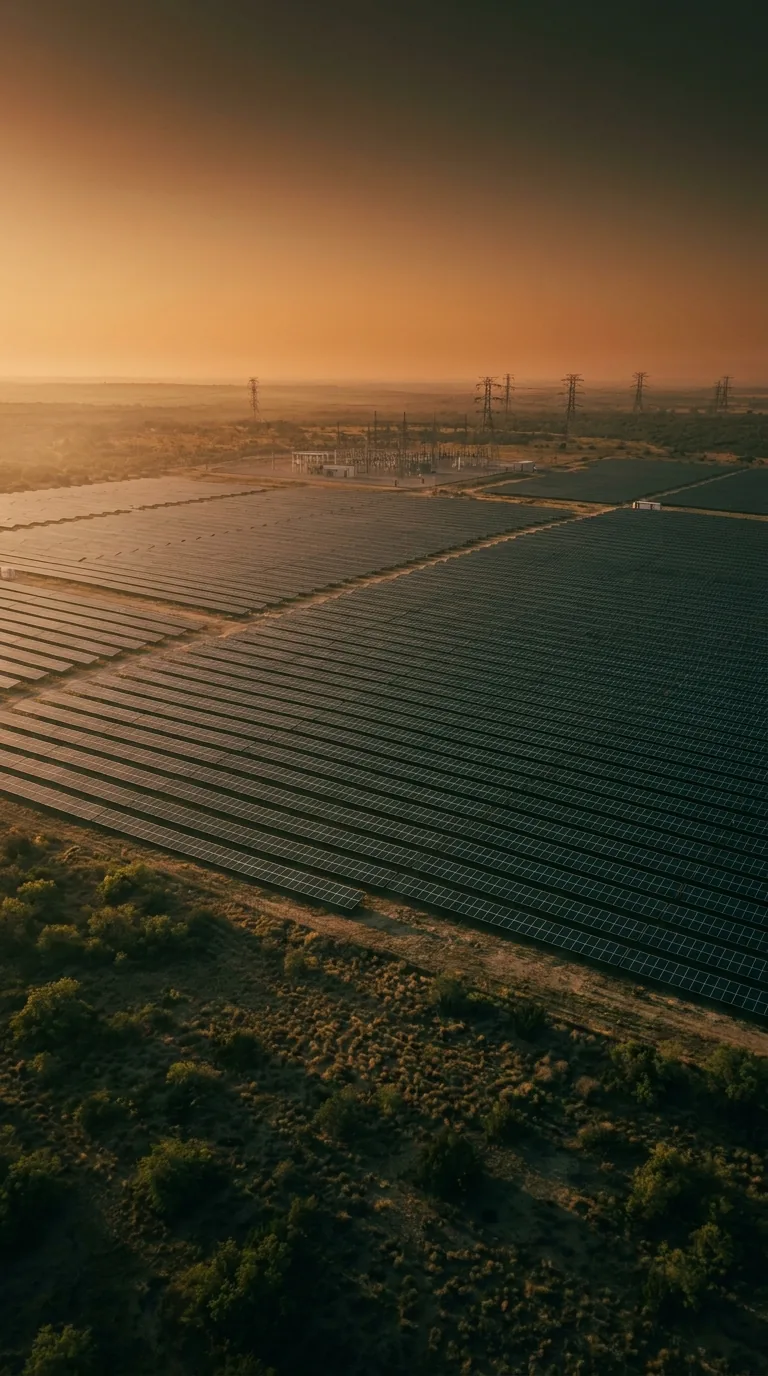
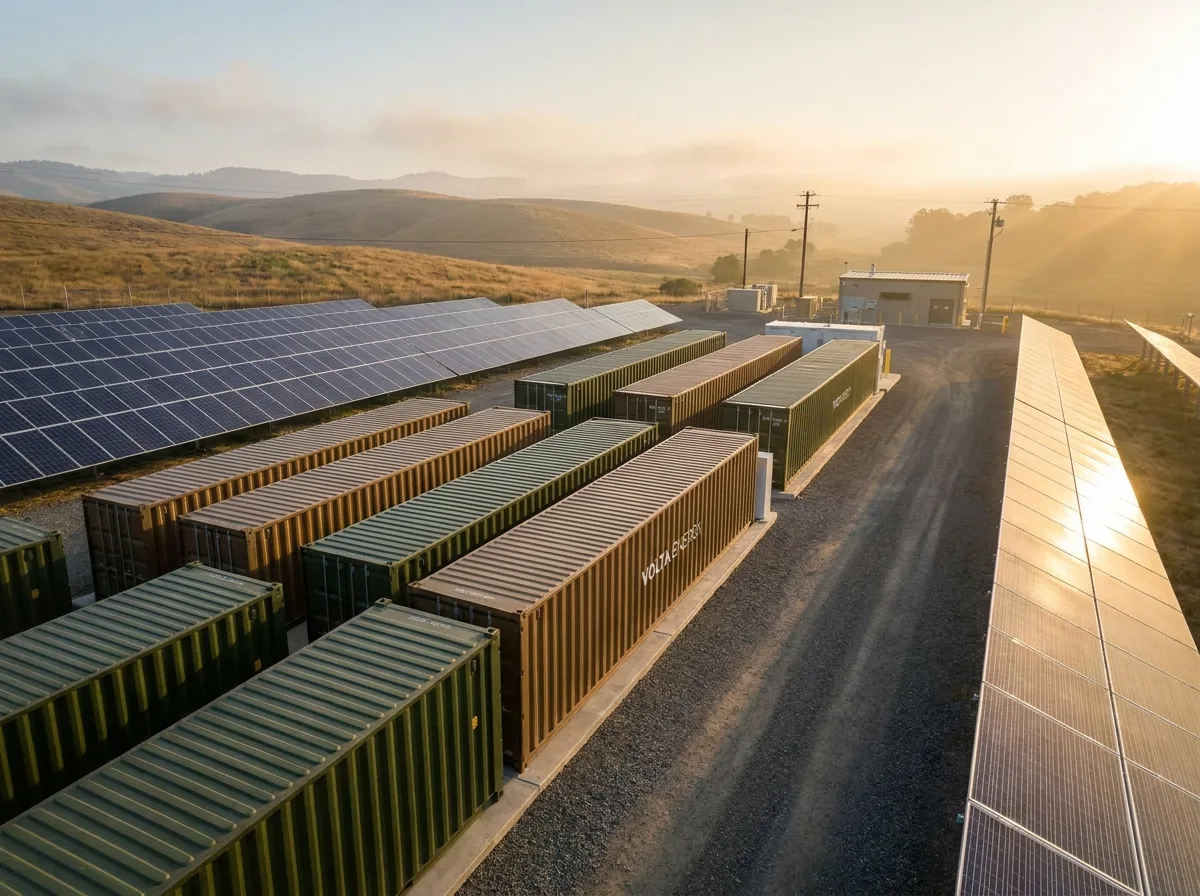
At Selva Investment Banking we combine technical sector knowledge with financial discipline to structure and close the financing of renewable energy projects. From the financial model to the negotiation with lenders and investors, we accompany every mandate through to disbursement. We have structured, for example, the financing of a solar park with battery storage for USD 20M.

Project finance versus corporate finance
Not all projects are financed in the same way. In corporate finance, the company takes on the debt on its own balance sheet and answers for it with all its assets; it is agile when the company is strong, but it concentrates the risk there. In project finance, by contrast, the debt is ring-fenced in a special purpose vehicle and repaid from the project's cash flows, normally with limited recourse to the promoter. This second route makes it possible to undertake large projects without committing the parent company's balance sheet, to spread risk among multiple parties and, very often, to achieve higher leverage. The trade-off is that it demands more exacting structuring and longer closing timelines.
Choosing between the two is not a technical detail: it defines how much equity is tied up, what risks each party assumes and what final return the promoter obtains. Part of the structuring work consists precisely of choosing the right route before knocking on a financier's door.
Storage, corporate PPAs and auctions: where the market is heading
The financial close of energy projects is evolving along with the market itself. Three trends make the difference today:
- Battery storage: integrating batteries with solar or wind generation improves the firmness of supply and opens new revenue streams, but adds complexity to the financial model and the contracts.
- Corporate PPAs: large companies sign power purchase agreements directly with projects to secure price and meet sustainability targets. A solid corporate PPA can be as financeable as one with a regulated retailer.
- Auctions and regulated mechanisms: many markets allocate long-term contracts through auctions. Winning an auction provides predictability, but requires having the financial structure ready to respond within tight deadlines.
Anticipating these dynamics makes it possible to structure projects that not only close today, but withstand market changes in the years that follow.
The role of the independent financial adviser
Many parties take part in a project finance —promoter, lenders, contractors, legal, technical and environmental advisers— and each looks at the project from the standpoint of its own interest. The independent financial adviser performs a role none of them can assume: bringing order to the process, building and defending the financial model, identifying the right financiers and negotiating terms on the promoter's behalf. Its independence is key, because it does not place its own product nor answer to a single bank: it answers to the outcome of the transaction. In projects where a structuring error costs years of return, that role usually pays for itself many times over.
Frequently asked questions
How long does the financial close of a renewable energy project take?
It depends on size and complexity, but it usually takes from several months to more than a year. The factor that most accelerates or delays the process is not the market, but the quality of the preparation: a project with its model, permits and contracts in order closes much faster.
What is a PPA and why is it so important?
A PPA (Power Purchase Agreement) is the power sale contract that establishes to whom and at what price the generation will be sold, normally over the long term. It is key because it turns an uncertain cash flow into a predictable one, and that predictability is what allows the project to support debt.
What debt/equity ratio is typical in renewables project finance?
There is no single figure: it depends on the project's risk and the strength of its contracts. Projects with well-contracted cash flows can support higher leverage, while those exposed to market prices require more equity. The optimal structure is defined case by case.
What is DSCR and why do banks look at it?
DSCR (Debt Service Coverage Ratio) measures how many times the project's cash flow covers the debt payment in each period. It is the metric lenders look at most because it indicates the margin of safety: the higher it is, the more headroom the project has to pay even if things do not go perfectly.
Can a project be financed without a signed power sale contract?
It is possible, but much harder and more expensive. Without a PPA, the project is exposed to the market (merchant) price, which increases perceived risk and requires more equity, larger reserves or hedges. Most swift closings start from a contracted sales scheme.
Sources and references
- IRENA — Renewable Power Generation Costs (International Renewable Energy Agency)
- UPME — Mining and Energy Planning Unit (Colombia)
- Colombian Ministry of Mines and Energy
- IDB Invest — Infrastructure and energy financing in Latin America
- IFC (World Bank) — Project Finance and the Equator Principles
This content is informative and general in nature; it does not constitute financial, legal or investment advice. Each project must be assessed individually.