


Solar power has an obvious flaw: it produces when the sun is shining, not when demand is there. That mismatch —generating at midday and needing energy at night— is the great bottleneck of the transition. Hybridising solar with battery energy storage (BESS) is the technical answer, and in Colombia it is becoming a financial answer as well. This is a read on why solar + BESS is the key to firm energy and what it means for a project's bankability.
The problem: clean energy that does not arrive when it is needed
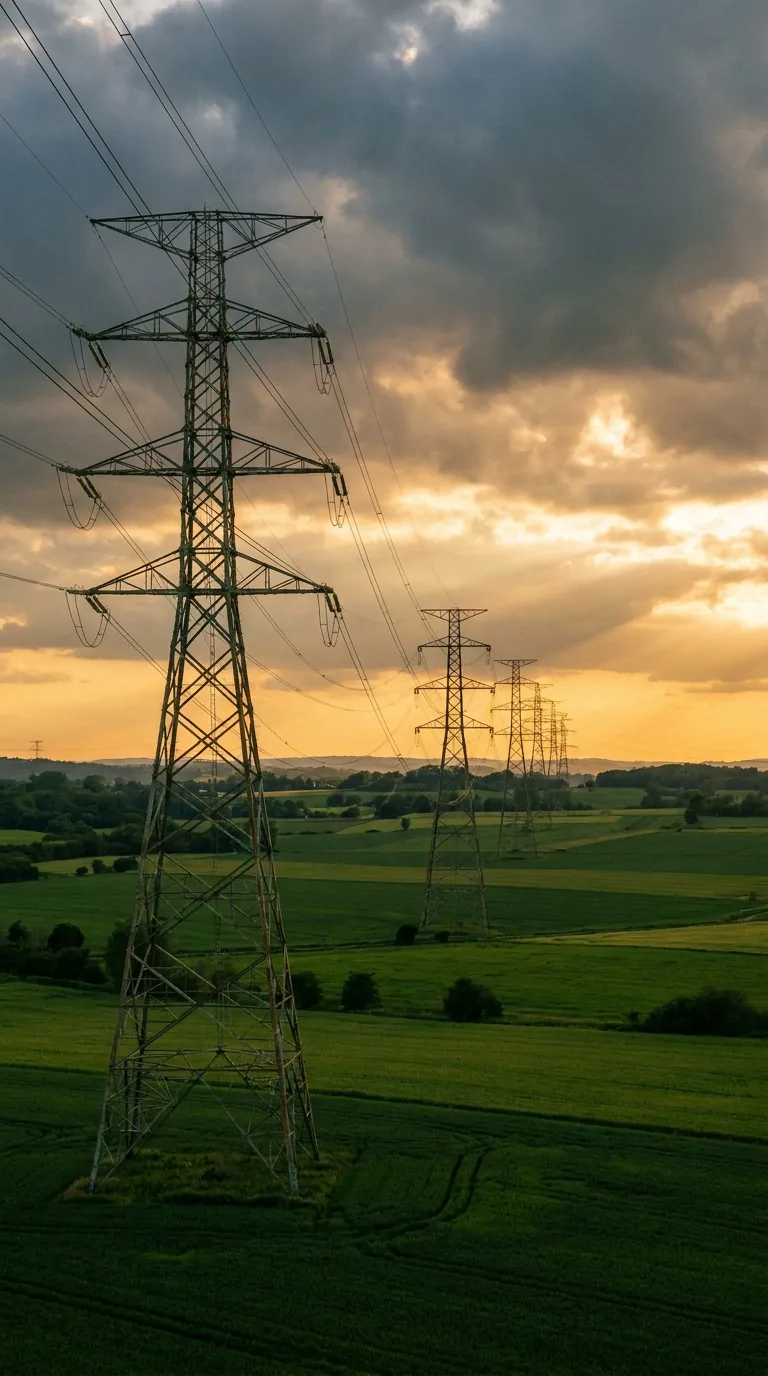
Sun and wind are free, but intermittent. A solar park delivers its peak at midday, precisely when demand tends to be lower, and shuts down at dusk, when household consumption reaches its peak. That mismatch between generation and demand is the central challenge of a system with a large share of renewable energy: without a way to store the energy, much of what is produced is wasted or is not available when it is genuinely needed.
Key ideaThe value of energy lies not only in producing it, but in delivering it at the moment the system needs it. That is where the battery changes the rules.
What firm energy is and why it matters
In the Colombian electricity market there is a central concept: firm energy, that is, a generator's ability to deliver energy reliably, even under critical conditions. The system remunerates that reliability through the reliability charge, which rewards those who can guarantee supply when the system is under pressure. A standalone solar plant, given its intermittency, has a limited capacity to offer firm energy. A solar plant with batteries, by contrast, can commit to delivering energy in the hours that matter, and can therefore aspire to that reliability remuneration.
The solution: hybridising solar with batteries
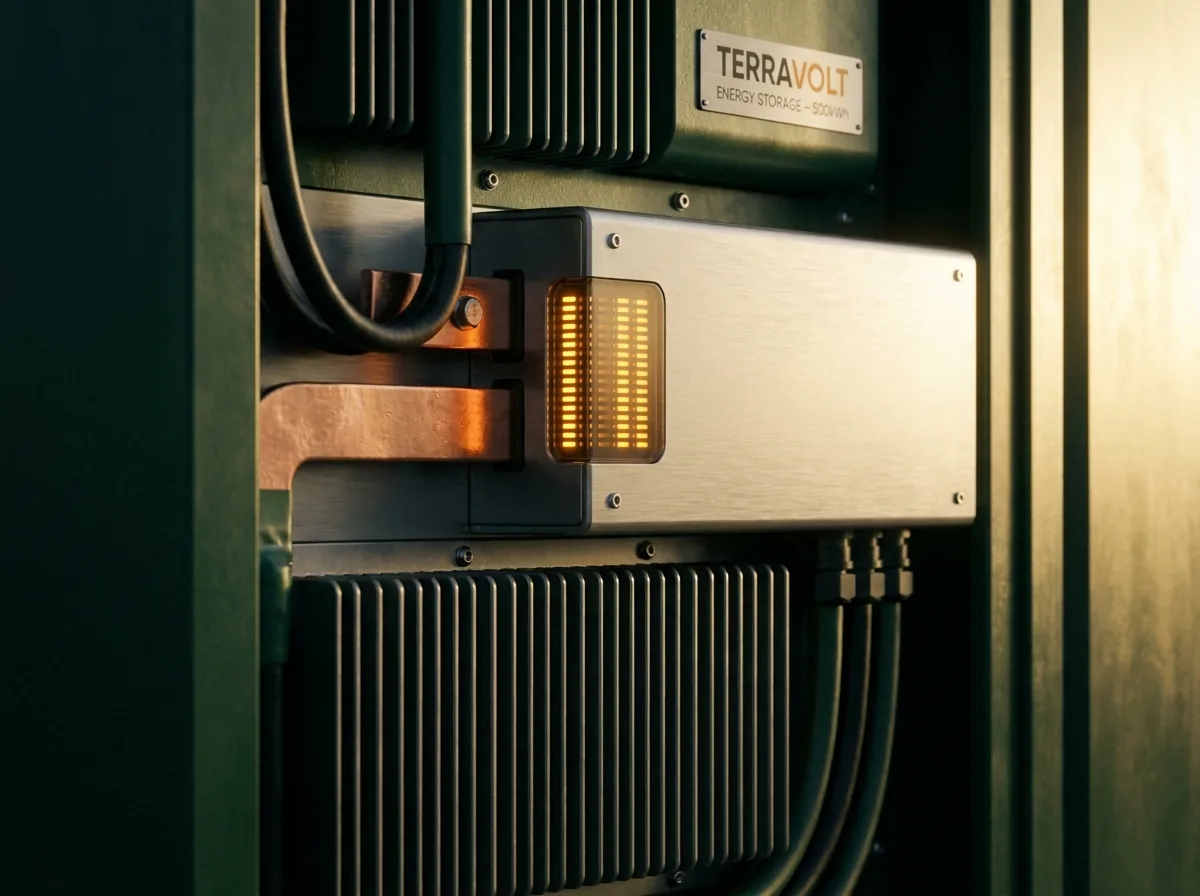
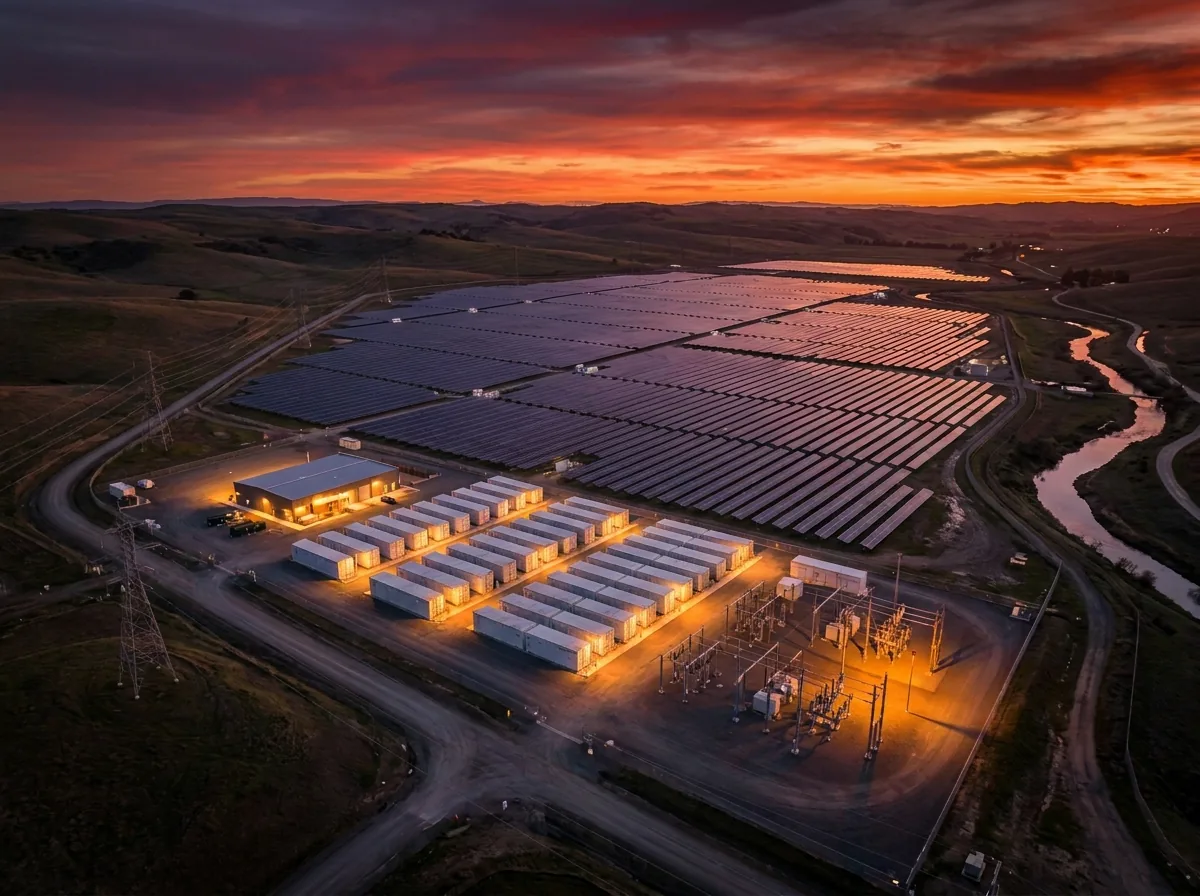
Hybridisation is conceptually simple and operationally powerful: the energy produced by the sun during the hours of greatest irradiation is captured in batteries and injected into the grid at night or at times of high demand. With that, a project stops being at the mercy of the solar schedule and starts delivering energy when the system —and the market— values it most.
What a battery does for a project
Adding storage does not only solve the timing mismatch; it opens several sources of value that can be combined:
- Energy arbitrage: charging cheaply (when energy is abundant) and delivering at a high price (when it is scarce).
- Firm energy and reliability: being able to commit deliveries in critical hours and access reliability remuneration.
- Grid services: frequency regulation and congestion relief, which the system needs increasingly as more renewables come online.
- Capturing hourly products: selling energy in the time bands where it is worth most, something the new contracting mechanisms already recognise.
That combination of revenue streams —what the industry calls revenue stacking— is what transforms the economics of a solar project.
The Colombian regulatory context
Colombia has taken concrete steps to integrate storage into the electricity system. During 2026, guidelines were approved to incorporate energy storage systems into the grid, and Resolution 40178 of 2026 explicitly included batteries and hourly products in the long-term auction mechanism. Sector analyses point to a need in the order of 900 MW of storage at strategic nodes by 2034, and the country's first battery systems connected to solar farms are already in operation. The direction is clear: storage has ceased to be a promise and has become a piece of the market.
When regulation recognises and remunerates reliability, the battery stops being a cost and becomes a source of revenue.
Why it changes bankability
This is the point that interests us most from an investment banking perspective. A pure solar project sells intermittent energy, hard to contract over the long term and therefore harder to finance. A solar + BESS project can offer firm energy, commit deliveries in valuable hours and access long-term contracts and reliability remuneration. In other words: more predictable and more diversified revenue. And we have said it in other analyses: predictability of revenue is what allows a project to support debt and become financeable. A well-structured battery does not make the project more expensive: it makes it bankable.
The challenges of structuring a hybrid project
None of this is automatic. Structuring a solar + BESS project has complexities of its own that demand technical and financial judgment at the same time:
- Sizing the battery: how much capacity and how many hours of storage maximise value without inflating CAPEX.
- Modelling multiple revenue streams: combining arbitrage, reliability and grid services into a single coherent financial model.
- Accounting for degradation: batteries lose capacity over time, and that must be reflected in the model and in the debt structure.
- Aligning the contract with the technology: the delivery commitment must be consistent with what the battery can genuinely sustain.
The dual perspective: technical and financial
Few projects demand as much understanding of the engineering as of the finance. Sizing a battery system correctly is a technical problem; turning that design into a financeable investment case is a financial one. Anyone who masters only one of the two worlds leaves value on the table —or takes on risks they cannot see. At Selva, that dual perspective is precisely our hallmark: we combine technical sector knowledge with the discipline of financial structuring.
How Selva helps
At Selva Investment Banking we structure and finance renewable energy projects, including hybridisation with storage. We help size the battery from a value perspective, model the combined revenue streams, secure the contracts that make the project bankable and take it through to financial close. In a country building its storage market, having an adviser who understands both the kilowatt and the cash flow is the difference between a project that stays on paper and one that gets built.
How a battery is sized
Sizing a storage system is where engineering and finance meet. It is not enough to say "we'll add batteries": two distinct variables must be defined —power (how many megawatts it can deliver at once) and energy (how many megawatt-hours it can store, that is, how many hours it can sustain that delivery). A system designed for daily arbitrage needs more hours of storage; one designed for fast grid services prioritises power. The goal is to size for the greatest possible value capture without inflating CAPEX: an oversized battery destroys the return, an undersized one leaves value uncaptured. It is a decision that must start from the use case and the financial model, not the other way round.
CAPEX and the cost curve
The great enabler of hybridisation has been the sustained fall in battery costs over the past decade, a trend that continues and improves project economics every year. Even so, storage still represents a significant investment, and financing it requires treating the battery not as an accessory to the solar project, but as an asset with its own revenue logic and its own financing structure. When the combined revenue streams (arbitrage, reliability, grid services) justify the CAPEX, the battery pays for itself; when they do not, it is better to revisit the sizing than to force the investment.

Beyond firmness: other uses of storage
Firm energy is the most visible application, but not the only one. Storage enables microgrids and reliable backup for industrial and commercial operations; it allows large consumers to manage their demand peaks and reduce costs; and it is increasingly combined with wind projects to smooth their variability. Each use has its own value equation, and a well-conceived project can combine several. Recognising all of a battery's sources of value is what distinguishes a financeable project from one that only looks at a single piece of the puzzle.
From project to portfolio
As the market matures, the intelligent view shifts from project by project to portfolio thinking: standardising structures, aggregating several assets and scaling the financing. For an investor with a long-term view, building a portfolio of solar projects with storage —well sized and well contracted— can be a strategic position in the electricity system to come. And for the country, that patient capital is precisely what anchors the reliability of an increasingly renewable generation mix.
A building block for the country's reliability
Beyond each individual project, hybridisation with storage has a systemic dimension worth underlining. A country that integrates batteries into its generation mix gains resilience against events such as the prolonged droughts that affect hydroelectric generation, reduces the risk of rationing and makes better use of renewable energy that would otherwise be wasted. Every well-structured solar + BESS project is, in that sense, a building block of reliability for the system. For the investor, this means the project is not only pursuing a return: it contributes to a strategic national need, which in turn translates into regulatory support and mechanisms —such as the reliability charge and the auctions— designed to remunerate that contribution. Aligning profitability with national need is, almost always, the best foundation for an investment that endures.
In summary
Hybridising solar with storage solves renewable energy's greatest bottleneck —delivering when it is needed, not only when the sun is shining— and, in doing so, transforms a project's economics: from selling intermittent energy that is hard to contract, to offering firm energy with diversified, predictable revenue. In Colombia, where regulation has already begun to recognise and remunerate storage, that transformation is financial too: a well-sized, well-contracted battery does not make the project more expensive, it makes it bankable. Achieving this requires mastering both the kilowatt and the cash flow. That dual perspective, technical and financial, is what turns a good engineering design into a project that actually gets built and endures.
Frequently asked questions
What is firm energy in the Colombian electricity market?
It is a generator's ability to deliver energy reliably, even under critical system conditions. The market remunerates it through the reliability charge. A standalone solar plant has a limited capacity to offer firm energy because of its intermittency; with batteries, it can commit deliveries in the hours that matter.
How does hybridising solar with batteries (BESS) work?
The energy produced during the hours of greatest solar irradiation is stored in batteries and injected into the grid at night or at times of high demand. The project thus stops depending on the solar schedule and delivers energy when the system and the market value it most.
What additional revenue streams does a battery provide?
It allows several to be combined (revenue stacking): energy arbitrage (charge cheaply, deliver at a high price), firm energy and reliability remuneration, grid services such as frequency regulation and congestion relief, and the capture of hourly products in the bands where energy is worth most.
What does Colombian regulation say about storage?
During 2026, guidelines were approved to integrate storage systems into the grid, and Resolution 40178 of 2026 included batteries and hourly products in the long-term auctions. Sector analyses estimate a need of close to 900 MW of storage by 2034, and the first battery systems connected to solar farms are already in operation.
Why is a solar + BESS project more financeable than a pure solar one?
Because it can offer firm energy, commit deliveries in valuable hours and access long-term contracts and reliability remuneration. That translates into more predictable and diversified revenue, and predictability of revenue is what allows a project to support debt and become bankable.
Sources and references
- pv magazine — Colombia approves guidelines to integrate energy storage
- Colombia Inteligente — Integration of storage into the Colombian electricity system
- Celsia — First battery system connected to a solar farm in Colombia
- Ministry of Mines and Energy — Auction and storage framework (Resolution 40178 of 2026)
This content is informative and general in nature; it does not constitute financial, technical or investment advice. Each project must be assessed individually and with specialist advice.