

Farming has ceased to be an artisanal business. Competitive agribusiness today is technified, capital intensive and oriented towards international markets. And like any capital business, it needs financial structures equal to its potential and its risks. This guide explains how modern agribusiness is financed and why it demands a different perspective from any other sector.
Why agribusiness is different
Financing agribusiness has particularities that no generic model captures: biological cycles that cannot be accelerated, marked seasonality between planting and harvest, exposure to weather and dependence on commodity prices set in global markets. A financial model that ignores these factors will not withstand the scrutiny of a serious lender.
Key ideaIn agribusiness, risk is not eliminated: it is understood, structured and distributed.
Land as a financeable asset
Land is both a productive asset and collateral. Structured correctly, it can be the foundation of solid financing; poorly valued or with title in disarray, it becomes a bottleneck. Valuing the asset properly —considering its productive vocation, access to water and roads, and its appreciation potential— is the first step in any agribusiness structuring.
Financing structures in agribusiness
Agribusiness lends itself to a variety of instruments that should be combined according to the stage and the need of the project:
- Investment debt: to acquire land, machinery or infrastructure, with tenors aligned to the project's maturation.
- Working capital: to finance the cycle between planting and harvest, where cash pressure concentrates.
- Equity: investors who take equity in the project seeking growth and appreciation.
- Leasing and trust vehicles: vehicles that bring flexibility, security and order to the operation.
- Green and sustainable financing: lines tied to good environmental practices, increasingly available.
The agribusiness financial model: seasonality is everything
The central challenge of financing agribusiness is matching outflows and inflows. Costs arrive at planting and crop care; revenue arrives at harvest and sale. A serious financial model reflects that seasonality month by month, not as an annual average, and incorporates:
- Cash flows with the real seasonality of the crop or activity.
- Sensitivities to price, yield and weather.
- Working capital needs in the critical months.
- Reserves for production contingencies.
A good agribusiness project is not financed with optimism; it is financed with a model that understands the cycles of the land.
Agribusiness risks and how they are mitigated
Structuring agribusiness is, to a large extent, managing risk. The main risks and their mitigants:
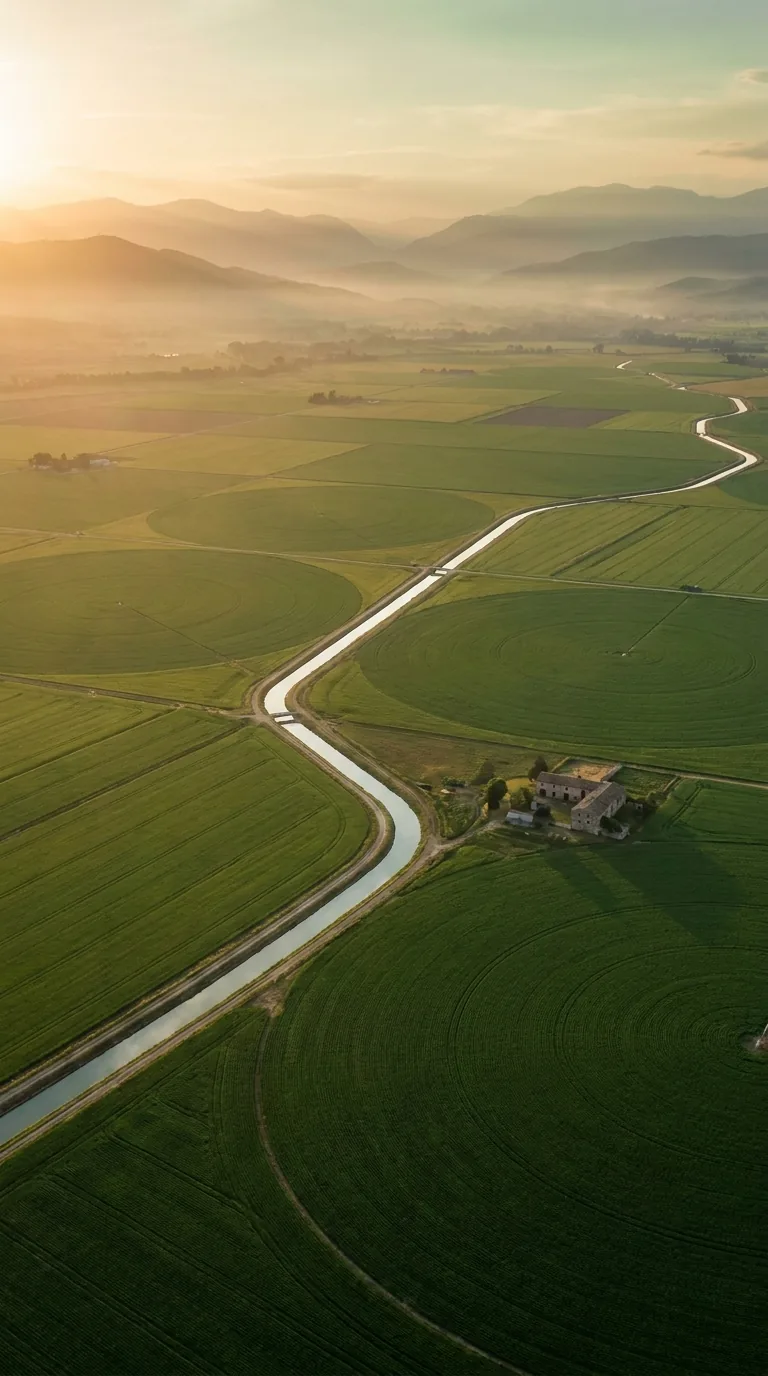
- Climate risk: mitigated with modernisation (irrigation, infrastructure), diversification and agricultural insurance.
- Price risk: mitigated with forward sale contracts (forwards), hedges or integration along the value chain.
- Biological and phytosanitary risk: mitigated with good practices, technical management and monitoring.
- Market and logistics risk: mitigated by securing commercialisation channels and access to export markets.
Sustainability: from cost to opportunity
Sustainability has ceased to be an inconvenient requirement and become a financing lever. Increasingly, investors and banks prioritise projects with good environmental and social practices, and there are credit lines and funds specifically for sustainable agribusiness. A project that documents its positive impact does not only access more capital: very often it accesses better terms.
Who finances agribusiness
The agricultural financing ecosystem combines public and private players. In Colombia, FINAGRO channels resources and guarantees for the sector, while the Ministry of Agriculture sets sector policy. Regionally, multilateral lenders —such as the IDB— and specialist funds finance larger-scale agro-industrial projects. The FAO also documents the global investment and productivity trends that frame these decisions.
Common mistakes when seeking agribusiness financing
- Presenting the project with average cash flows that hide seasonal cash pressure.
- Not having land title and permits resolved.
- Underestimating the working capital needed to reach the first harvest.
- Approaching financiers who do not understand the sector and impose unviable terms.
- Ignoring the price and weather hedges that would make the project financeable.
The region's potential
Latin America is one of the world's breadbaskets and Colombia has an agricultural frontier with enormous potential for modernisation and export. According to official figures compiled by DANE, the agricultural sector remains a significant engine of the economy. The challenge is not the opportunity —which is abundant— but the capacity to structure capital that understands the land and, at the same time, speaks the language of investors.
How Selva helps
At Selva Investment Banking we structure and finance agro-industrial projects, combining sector knowledge with financial discipline. We model cash flows with their real seasonality, design the appropriate capital structure and connect the project with capital that can read its true potential. The financial structuring of agribusiness projects is one of our hallmarks.

Agribusiness as an alternative asset for investors
For an investor, agribusiness offers something few assets combine: backing in a real asset (land), cash flows tied to the real economy and, increasingly, a sustainability and impact narrative. Within a portfolio, agricultural assets tend to behave differently from equities or bonds, which brings diversification. That is why investment funds, family offices and institutional investors have increased their appetite for well-structured agro-industrial projects.
But that appetite comes with conditions: the investor looks for projects with professional management, transparent information, sufficient scale and a clear thesis on how value is created and realised. Translating a good agricultural project into that investment language is, very often, what separates those who obtain capital from those who do not.
Adding value along the chain: from commodity to product
Selling unprocessed raw material leaves almost all the margin in the hands of third parties. The most profitable agribusiness is the one that moves up the value chain: it processes, brands, certifies and exports. Financing that transformation —processing plants, cold chain infrastructure, certifications, access to international markets— changes the project's profile and its valuation. A project that goes from selling grain to selling a finished export product does not only gain margin: it gains predictability and, with it, borrowing capacity.
Technology and data: the agribusiness capital wants to finance
Modernisation has ceased to be a luxury. Precision irrigation, sensors, satellite monitoring, traceability and productivity data do not only raise yields: they generate the information a financier needs in order to have confidence. A project that measures and documents its productivity reduces perceived risk and, with it, the cost of capital. The adoption of technology (agtech) has thus become a financial lever as much as a productive one.
Synergies between sectors: agribusiness, energy and water
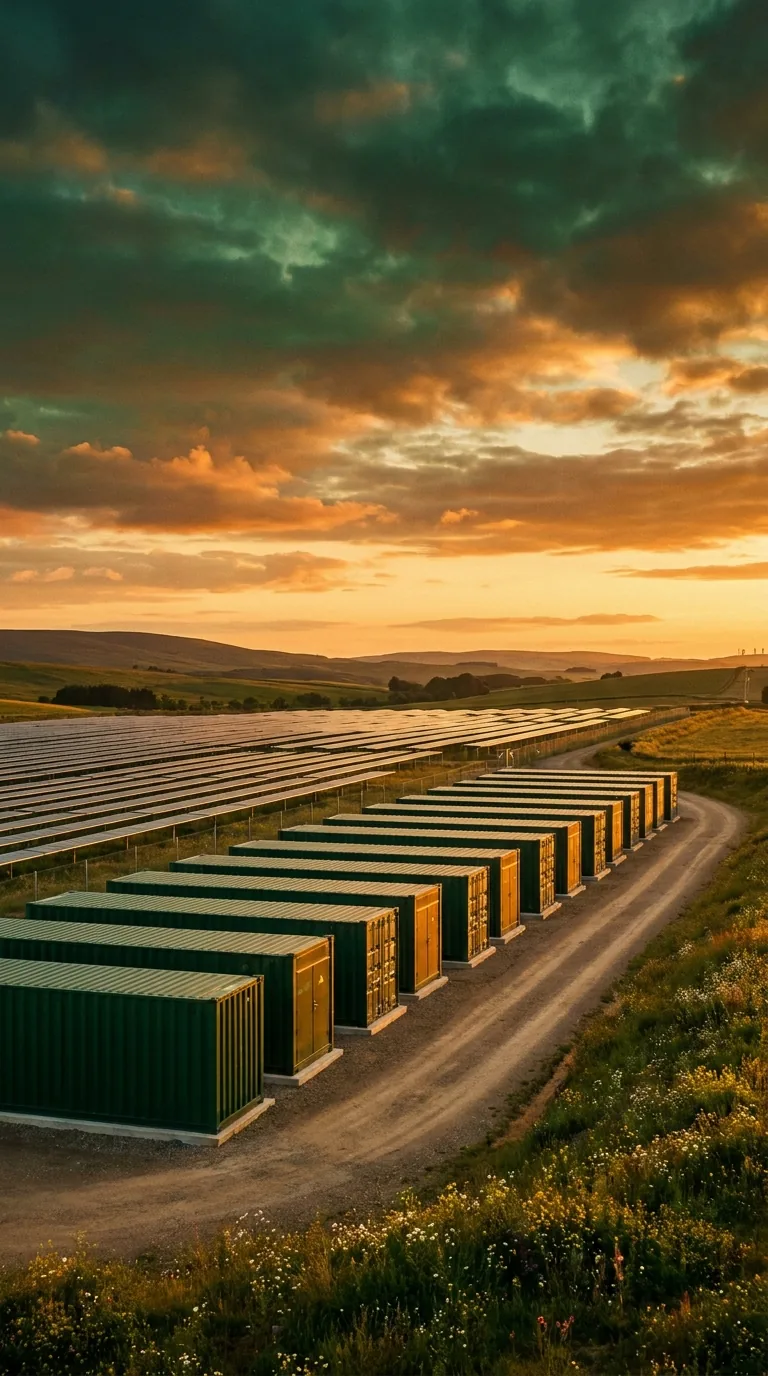
Some of the most interesting projects are born at the frontier between sectors. Agrivoltaics (combining solar generation with crops), biomass from agricultural residues or irrigation infrastructure linked to water management are examples of hybrid projects that can access multiple financing sources —agribusiness, energy, sustainability— at the same time. Structuring them requires understanding all three worlds, but the value potential is considerable.
Structuring mistakes that make capital more expensive
Beyond operational mistakes, there are structural decisions that make financing unnecessarily expensive: mixing the project's finances with the owner's personal ones, failing to separate assets into a clear vehicle, financing long-term investment with short-term debt, or failing to document traceability and impact. Putting these aspects in order before going out to seek capital improves the terms the project can obtain.
Regulatory framework and access to land
In agribusiness, a project's viability often depends on aspects that do not appear in the financial model but that can sink it: land title, permitted land uses, water concessions, environmental rules and, in some territories, social and community considerations. A serious financier reviews all of this before committing resources. Having the project's legal position resolved and documented —clear ownership, valid permits, environmental compliance— does not only avoid surprises: it is, in itself, a factor that improves financing terms because it reduces perceived risk.
Impact financing: when purpose attracts capital
Agribusiness sits at the centre of the great global conversations about food security, climate change and rural development. That has given rise to a growing universe of impact capital: funds and investors seeking financial returns and, at the same time, measurable social and environmental effects. For a well-structured agro-industrial project, this represents an additional source of financing, often with more patient horizons and favourable terms. The key is to measure and document impact with the same seriousness with which cash flows are documented: number of jobs, hectares regenerated, water saved, emissions avoided. Purpose, properly evidenced, ceases to be a discourse and becomes a financial argument.
How to present an agribusiness project to a financier
A solid agricultural project can end up without capital simply because it was poorly presented. Whoever evaluates the financing needs to understand, in a short time, why the project is viable and why their money is safe. A financeable presentation usually includes: a clear description of the project and its competitive advantage; the financial model with seasonal cash flows and sensitivities; the legal position of the land and the permits; the commercialisation plan and sale contracts where they exist; the team and its experience; and, explicitly, the risks and how they are mitigated. Showing the risks honestly —rather than hiding them— generates more confidence than a perfect pitch, because it demonstrates that the promoter understands their business. Translating all of this into the language the financier expects is, very often, the difference between a meeting that progresses and one that ends in politeness. That bridge between the productive project and the logic of capital is precisely where a specialist adviser adds the greatest value.
Ultimately, financing modern agribusiness requires treating it as what it is: a capital business, with specific risks but also with enormous potential for value creation. Whoever manages to combine deep knowledge of the land with the discipline and language of capital turns a good farm or a good agro-industrial idea into a genuinely financeable project, capable of growing, exporting and enduring over time.
Frequently asked questions
Why is financing agribusiness different from other sectors?
Because it has biological cycles that cannot be accelerated, strong seasonality between planting and harvest, exposure to weather and dependence on global commodity prices. A financial model that does not reflect these factors month by month is not credible to a lender.
Can land be used as collateral for a loan?
Yes. Land is both a productive asset and collateral, provided title is in order and its valuation considers productive vocation, access to water and roads, and appreciation potential. Well-titled and well-valued land is the basis of many agribusiness structures.
What is working capital in an agricultural project?
It is the financing that covers the cycle between planting and crop care and the moment harvest revenue arrives. It is where the greatest cash pressure concentrates, and underestimating it is one of the most frequent mistakes.
How is climate risk mitigated in agribusiness financing?
Through a combination of modernisation (irrigation, infrastructure), diversification of crops or areas, and agricultural insurance. The better climate risk is managed, the more financeable and better structured the project becomes.
Are there specific financing lines for sustainable agribusiness?
Yes. There are increasingly more funds and credit lines tied to good environmental and social practices. A project that documents its positive impact usually accesses more capital and, frequently, better terms.
Sources and references
- FAO — Food and Agriculture Organization of the United Nations
- FINAGRO — Fund for the Financing of the Agricultural Sector (Colombia)
- Ministry of Agriculture and Rural Development (Colombia)
- IDB — Inter-American Development Bank
- DANE — Agricultural sector statistics (Colombia)
This content is informative and general in nature; it does not constitute financial, legal or investment advice. Each agricultural project must be assessed individually.